Tuesday, May 6, 2014

28 Best Benefits Of ChickPeas For Skin, Hair And Health


Pizzas and burgers rule every child’s menu for long. The recent popularity of ‘Hummus’, the yummy Middle-Eastern dip and spread – made from chickpeas – has brought the spotlight back on the goodness of chickpeas.
Back in school, our teacher kept stressing on how chickpeas were one of the most nutritious members of the legumes family. It didn’t take long for me to realise the importance of chickpeas in our daily diet.
Chickpeas originated in the Middle East nearly 7,000 years ago. They are often used in vegetables, salads, sauces, bread, hummus, tahini and garlic spreads. This fiber-rich legume is also known as Garbanzo beans orKabuli Chana. One can never stress enough on how good these chickpeas are. So we thought of listing out top 28 benefits of this wonder food.

Benefits of Chickpeas on Skin, Hair and Health

Chickpeas for Skin:

1. Wrinkles:

Manganese in chickpeas causes skin cells to produce energy and fights wrinkle-causing free radicals. Molybdenum detoxifies skin by removing sulphites. Other nutrients like folate and Vitamin B work as fuel for the skin cells. They repair damage from the sun and harmful toxins.

2. Face Pack:

Mix chickpea flour with turmeric to cleanse and exfoliate your face. This will improve your skin texture, remove dead cells, moisturise and improve your complexion too.

3. Face Cleanser:

To use chickpeas flour as a natural cleanser:
  • Mix chickpea flour with turmeric powder and milk or yogurt.
  • Make a fine paste apply it evenly on the face.
  • Wash off thoroughly after 10-15 minutes with warm water.

4. Reduce Age Spots:

To use chick peas for reducing age spots:
  • Mash boiled chickpeas.
  • Add some water to make a fine paste.
  • Apply and spread it evenly on your face or hands.
This will help reduce age spots on your face and body.

5. Ringworm Infection:

Include chickpeas flour chapattis in your daily diet for at least a month. This will help you get rid of ringworm infections.

6. Treatment of Leucoderma:

Chickpea’s role in treating Leucoderma is appreciable. To use:
  • Soak a cup of chickpea with eight grams of triphala churan and water.
  • Keep it aside for 24 hours.
  • Consume when you see it sprouting.
Repeat this regularly for a few months to reduce white spots due to Leucoderma.

Chickpeas for Hair:

7. Facial Hair:

Chickpeas are also helpful in removing facial hair. Here is how:
  • Mix turmeric and chickpea flour to make a fine paste
  • Apply evenly on your face
  • Alternately, you can also use this as a facial scrub
  • Wash after 10-15 minutes
Do this regularly for a month for best results

8. Hair Strengthening:

Garbanzo beans are great strengthening your hair. The good amounts of protein and manganese help prevent greying hair.

9. Dandruff:

Chickpeas work wonders in curing dandruff. To use:
  • Mix six tablespoons of chickpea flour with water.
  • Massage this paste on your hair for a few minutes before the final rinse.
This will help in keeping the flaky dandruff at bay and reduce infection too.
Chickpeas for Health:

10. Controls Hunger:

Chickpeas are rich in fiber and are filled with high quality protein. These two nutrients keep you full for longer and hence control hunger. These essential nutrients found in chickpeas make it ideal for weight loss and weight management.

11. Cholesterol Reduction:

Including 3/4th cup of chickpeas in your daily diet can immensely help lower LDL (bad) cholesterol levels. Chickpeas contain dyslipidemia that prevents the concentration of cholesterol in blood. This in turn lowers the risk of heart disease and strokes.

12. Cooking:

Chickpeas can be cooked and used in salads, curries, soups and stews. Roasted chickpeas, with few savoury spices, make for an ideal evening snack. It finds it way in Gluten-free diet too. And can be used in variety of dishes like pakoraspappadams or pancakes and as a substitute for eggs in baking.

13. Low Sulphites:

Chickpeas come with high amounts of mineral and molybdenum. These are essential for detoxifying sulphite compounds from food products, dried fruits and even wine. Sulphite compounds often cause dizziness, rapid heart rate, headache, and other unpleasant symptoms. Molybdenum also cleanses our liver.

14. Soluble Fiber:

Chickpeas come with decent amount of soluble fiber. This helps lower heart disease risk and stabilizes blood sugar levels too. The soluble fiber acts as a sponge and cleans up bile with bad cholesterol. It also gives one the feeling of a fuller stomach.

15. Good Sleep:

As one of the richest sources of amino acids, tryptophan and serotonin, chickpeas play a vital role in regulating mood and sleep. Consuming tryptophan at night makes one calm and feel peaceful.

16. Immune System:

Chickpeas are loaded with good iron. Iron helps transporting oxygen through the body and is imperative for maintaining a strong immune system and good metabolism.

17. Heart Disease:

Regular consumption of garbanzo beans cleanses bad cholesterol, lowers cholesterol levels and triglycerides. These beans are your heart’s friend. The unique combination of antioxidants in chickpeas supports blood vessels’ walls and blood. The Alpha-linolenic acid (ALA) and omega-3 fatty acids together reduce the risk of coronary heart disease and cardiovascular risks.

18. Women’s Health:

Chickpeas benefits are great for women health too. The phytochemicals or saponins in chickpeas, act extremely helpful in the prevention of breast cancer and osteoporosis. It is also great for lowering incidences of hot flushes post menopause.

19. Iron for Energy:

Full of iron, chickpeas help boost energy. Iron is essential for pregnant or lactating mothers too. Children and adolescents need iron in good amounts for performing routine tasks.

20. Manganese:

With the help of minerals and manganese, chickpeas facilitate the functioning of enzymes, energy production and antioxidant defense.

21. Calcium:

The good amount of calcium found in chickpeas is equivalent to that of milk and yogurt, hence good for bones health.

22. Folic acid:

Chickpeas have good quantity of folates or folic acid – regarded as the most essential nutrient for an expecting mother. It is also useful in the treatment of spinal injury and the development of foetal brain.

23. Controls Diabetes:

Chickpeas are low on the glycemic index – good for prevention and regulation of blood sugar levels. Fiber and protein help maintain the flow of food in to the digestive tract. It also prevents breaking of food too quickly or slowly. This healthy rate releases sugar from the food and stabilizes its digestive impact on our blood sugar. Chickpeas are highly recommended for diabetics and insulin resistants.

24. Phosphorous:

Chickpeas have good quantity of phosphorous and iron. Together these help increase the blood cell count. It also improves haemoglobin and cleanses excess salts from the kidney.

25. Cancer:

Chickpeas lower the risk of cancer too. The soluble fiber reaches colon and breaks bacteria into fatty acids. This gets absorbed by the colon cells and is converted into energy. Hence, allowing colon cells to stay healthy and lowering the risk of cancer.
26. Kidney Stones:
Chickpeas are excellent for preventing kidney stones. Here is how:
  • Soak ½ cup chickpeas in water.
  • Keep it soaked overnight.
  • Consume it with honey the next morning to prevent kidney stones

27. Jaundice:

Chickpeas are great for curing jaundice too. Consuming a cup of chickpeas soaked in water with jaggery can help cure jaundice and frequent vomiting associated with it.

28. Heart Attacks:

Chickpeas are good sources of folates that reduce the level of amino acid and homocysteine. High level of such amino acid causes risk that may lead to heart attacks and stroke.

Quick ways to add it to your diet: Hummus

Now that we’ve laid enough stress on how important chickpeas are, here’s the hummus recipe. A recipe that has got most parts of the world hooked onto it. It easy, it is quick. Thus, enjoy the benefits of eating chickpeas in this form!

Ingredients

  • 600g canned chickpeas, drained and rinsed
  • 60ml water
  • 3 garlic cloves, crushed
  • 100 ml olive oil
  • 2 tablespoon tahini paste
  • 1 teaspoon of ground cumin
  • Juice from 1 lemon
  • Toasted bread to serve

Procedure:

  • Place all the ingredients – chickpeas, olive oil, garlic cloves, tahini paste, ground cumin and lemon juice – together in a food processor.
  • Process until it properly combines.
  • Add water and process it again till you get the desired texture and consistency.
Place the dip in a bowl and serve with fresh toasted bread, preferably Turkish bread.
Hope you enjoyed reading this post as much as I did in writing. Do tell us how you use chickpeas to your benefit. Share your experiences and leave your comments below.

Thursday, May 1, 2014

The Health Benefits of Mushroom Consumption


Mushrooms contain some of the most potent natural medicines on the planet. Of the 140,000 species of mushroom-forming fungi, science is familiar with only 10 percent, according to world-renown mycologist Paul Stamets, who has written six books on the topic.

About 100 species of mushrooms are being studied for their health-promoting benefits. Of those hundred, about a half dozen really stand out for their ability to deliver a tremendous boost to your immune system.
It's important to eat only organically grown mushrooms because they absorb and concentrate whatever they grow in — good OR bad. This is what gives mushrooms their potency. Mushrooms are known to concentrate heavy metals, as well as air and water pollutants, so healthy growing conditions is a critical factor.
While it may sound strange, we're actually more closely related to fungi than we are to any other kingdom, as we share the same pathogens, meaning bacteria and viruses.
As a defense against bacterial invasion, fungi have developed strong antibiotics, which also happen to be effective for us humans. Penicillin, streptomycin, and tetracycline all come from fungal extracts.

The Many Health Benefits of Mushrooms

The FASEB Journal recently published nine studies on mushrooms that were also presented at Experimental Biology 2013, which detailed a wide variety of health benefits, including:
  • Weight management: One study found that substituting red meat with white button mushrooms can help enhance weight loss. Obese participants with a mean age of just over 48 years ate approximately one cup of mushrooms per day in place of meat. The control group ate a standard diet without mushrooms.
  • At the end of the 12-month trial, the intervention group had lost an average of 3.6 percent of their starting weight, or about seven pounds. They also showed improvements in body composition, such as reduced waist circumference, and ability to maintain their weight loss, compared to the control group.
  • Improved nutrition: One dietary analysis found that mushroom consumption was associated with better diet quality and improved nutrition.
  • Increasing vitamin D levels through your diet: Consuming dried white button mushroom extract was found to be as effective as taking supplemental vitamin D2 or D3 for increasing Vitamin D levels (25-hydroxyvitamin D).
  • Improved immune system function: Long chain polysaccharides, particularly alpha and beta glucan molecules, are primarily responsible for the mushrooms' beneficial effect on your immune system. In one study, adding one or two servings of dried shiitake mushrooms was found to have a beneficial, modulating effect on immune system function. Another study done on mice found that white button mushrooms enhanced the adaptive immunity response to salmonella.

Parasitic Fungi Showing Promise for Immune Disorders and Cancer

Cordyceps, also called caterpillar fungus or Tochukasu, is a favorite of athletes because it increases ATP production, strength and endurance, and has anti-aging effects. 

This parasitic mushroom is unique because, in the wild, it grows out of an insect host instead of a plant host. It has long been used within both traditional Chinese and Tibetan medicine.

It has hypoglycemic and possible antidepressant effects, protects your liver and kidneys, increases blood flow, helps normalize your cholesterol levels, and has been used to treat Hepatitis B.
Cordyceps has antitumor properties as well. Scientists at The University of Nottingham have been studying cordycepin, one of the active medicinal compounds found in these fungi, and the one identified as a potential cancer drug. More recent studies suggest it also has potent anti-inflammatory characteristics that may be helpful for those suffering from:
  • Asthma
  • Rheumatoid arthritis
  • Renal failure
  • Stroke damage
A question that was begging for an answer was how cordycepin could produce so many different beneficial effects at the cellular level. Researcher Dr. Cornelia de Moor told Medical News Today:
"We have shown that cordycepin reduces the expression of inflammatory genes in airway smooth muscle cells by acting on the final step in the synthesis of their messenger RNAs (mRNAs) which carry the chemical blueprint for the synthesis of proteins. 

This process is called polyadenylation. Commonly used anti-inflammatory drugs either work much earlier in the activation of inflammatory genes, such as prednisone, or work on one of the final products of the inflammatory reaction (e.g. ibuprofen).
These findings indicate that cordycepin acts by a completely different mechanism than currently used anti-inflammatory drugs, making it a potential drug for patients in which these drugs don't work well. 

However, it is a surprise that cordycepin does not affect the synthesis of mRNAs from other genes, because nearly all mRNAs require polyadenylation."
According to Dr. de Moor's research, the mechanism responsible for cordycepin’s many varied effects may stem from its ability to alter the synthesis of many classes of rapidly induced genes that help counteract inflammatory genes, thereby slowing down otherwise rapid cellular responses to tissue damage. It may also help prevent over-activation of inflammatory responses.
“However, it also indicates that cordycepin could have adverse effects on normal wound healing and on the natural defenses against infectious diseases,” the featured article states.
“Dr. de Moor said: 'We are hoping to further investigate which genes are more dependent on polyadenylation than others and why this is the case, as well as test the effect of cordycepin on animal models of disease. Clinical testing of cordycepin is not in our immediate plans, as we think we first have to understand this drug in more detail before we can risk treating patients with it.'"

Foragers, Beware of Toxic Mushrooms

An November 2012 article in The Atlantic highlighted recent cases of lethal food poisonings related to eating wild mushrooms, and the need for caution when foraging food:
“Of the over 10,000 species of mushrooms, only about 50 to 100 are toxic. About 6,000 Americans each year end up eating them. Over half of those cases involve unsupervised small children. So if you're considering treating that special person in your life to a wild mushroom-based dish, take the following into consideration: Over 90 percent of deaths, including these most recent ones, are caused by amatoxins.”
As mentioned in the article, the North American Mycological Association offers critical information on a number of toxic mushrooms and the symptoms they cause, including those for amanitin (amatoxins), which is one of the most serious:
  • Stage 1: A latency period of 6 to 24 hours after ingestion, in which the toxins are actively destroying the victim's kidneys and liver, but the victim experiences no discomfort.
  • Stage 2: A period of about 24 hours characterized by violent vomiting, bloody diarrhea, and severe abdominal cramps.
  • Stage 3: A period of 24 hours during which the victim appears to recover (if hospitalized, the patient is sometimes released)
  • Stage 4: Relapse, during which kidney and liver failure often occurs, leading to death. Patients may also "bleed out" and die due to the destruction of clotting factors in the blood. There may be more than one relapse.
Warning: If you have any reason to suspect that someone has ingested an amanitin-containing mushroom, DON’T WAIT for symptoms to appear! There is no antidote for amanitin poisoning, and the best hope is to rush the person to the hospital where the toxins can be removed before being fully absorbed into the body.
It's also important to eat ONLY organically grown mushrooms because they absorb and concentrate whatever they grow in — good OR bad. This is what gives mushrooms their potency, for better or worse. Mushrooms are known to concentrate heavy metals, as well as air and water pollutants. One way to know what you’re getting is to grow your own. You can find a variety of DIY garden kits available online, which will eliminate any questions about what kind of mushroom you’re picking.

Improving Your Nutrition with Mushrooms

Two years ago, I interviewed Steve Farrar, who worked and studied mushrooms professionally for the last 30 years. The first 20 years he spent growing them and working primarily with gourmet chefs, but in the past decade, he's started applying his expertise of mushrooms to health purposes. According to Farrar, Americans consume about 900 million pounds of mushrooms a year, but 95 percent of that is just one species: the common button mushroom and its relatives, the Crimini and the Portabello mushrooms.
Granted, the button mushroom is an excellent low-calorie food, especially for diabetics. It contains a number of valuable nutrients, including protein, enzymes, B vitamins (especially niacin), and vitamin D2. However, there are many other types of mushrooms worthy of consideration if you want to improve your diet. I’ll review a few of my favorites below. Farrar's focus has been on growing various gourmet mushroom species, particularly the wood decaying mushroom species, which differ greatly from your average button mushroom in terms of biology, nutrition and medicinal value.
Mushrooms are excellent sources of antioxidants in general as they contain polyphenols and selenium, which are common in the plant world. But they also contain antioxidants that are unique to mushrooms. One such antioxidant is ergothioneine, which scientists are now beginning to recognize as a 'master antioxidant.' Interestingly, it's an amino acid that contains sulfur, and if you listened to my interview with Dr. Seneff on the highly underestimated importance of sulfur, you may recognize why this particular antioxidant may be of particular importance for human health, as many are severely deficient in sulfur.
A previous study in the journal Nature discusses the importance of ergothioneine, which is fairly exclusive to mushrooms, describing it as "an unusual sulfur-containing derivative of the amino acid, histidine," which appears to have a very specific role in protecting your DNA from oxidative damage. With that in mind, it becomes easy to see how mushrooms may be an important part of an optimal diet. If you don't like to eat them whole, you can also find them in supplement form, either as an extract or whole food supplement.

Examples of Mushrooms to Add to Your Diet

A few of my favorite health-enhancing mushroom species include:
  • Shiitake (Lentinula edodes): Shiitake is a popular culinary mushroom used in dishes around the world. It contains a number of health-stimulating agents, including lentinan, the polysaccharide for which it was named. Lentinan has been isolated and used to treat stomach and other cancers due to its antitumor properties, but has also been found to protect your liver, relieve other stomach ailments (hyperacidity, gallstones, ulcers), anemia, ascites, and pleural effusion.
  • One of the more remarkable scientific studies demonstrating shiitake's antitumor effect was a Japanese animal study,where mice suffering from sarcoma were given shiitake extract. Six of 10 mice had complete tumor regression, and with slightly higher concentrations, all ten mice showed complete tumor regression.
    Shiitake mushrooms also demonstrate antiviral (including HIV, hepatitis, and the "common cold"), antibacterial, and antifungal effects; blood sugar stabilization; reduced platelet aggregation; and reduced atherosclerosis. Shiitake also contains eritadenine, which has strong cholesterol-lowering properties.
  • Reishi (Ganoderma lucidum): Reishi is known as Lingzhi in China, or "spirit plant." It's also been called "Mushroom of Immortality" — a nickname that kind of says it all. Reishi has been used medicinally in Asia for thousands of years. One of its more useful compounds is ganoderic acid (a triterpenoid), which is being used to treat lung cancer, leukemia and other cancers. The list of Reishi's health benefits includes the following
    • Antibacterial, antiviral (Herpes, Epstein-Barr), antifungal (including Candida) properties
    • Anti-inflammatory, useful for reducing symptoms of rheumatoid arthritis
    • Immune system up-regulation
    • Normalization of blood cholesterol levels and blood pressure
    • Reduction of prostate-related urinary symptoms in men
  • Turkey Tail (Trametes versicolor): Turkey Tail is also known as Coriolis, or "cloud mushroom." Two polysaccharide complexes in Turkey Tail are getting a great deal of scientific attention, PSK (or "Kreskin") and PSP, making it the most extensively researched of all medicinal mushrooms with large scale clinical trials.
  • A seven-year, $2 million NIH-funded clinical study in 2011 found that Turkey Tail mycelium improves immune function when dosed daily to women with stage I–III breast cancer. Immune response was dose-dependent, with no adverse effects. PSP has been shown to significantly enhance immune status in 70 to 97 percent of cancer patients. Turkey tail is also being used to treat many different infections, including aspergillus niger, Candida albicans, E. coli, HIV, Herpes, and streptococcus pneumonia, and is hepatoprotective. It may also be useful for chronic fatigue.
  • Himematsutake (Agaricus blazei): Himematsutake, also called Royal Sun Agaricus, is a relative of the common button mushroom. Himematsutake was not cultivated in the East until fairly recently but is now a very popular natural medicine, used by almost a half million Japanese.
  • Himematsutake mushroom is attracting many scientists worldwide due to its remarkable anticancer properties related to six special polysaccharides. Like many other medicinal mushrooms, this fungus can also protect you from the damaging effects of radiation and chemotherapy. But its benefits don't stop there — Himematsutake may also help decrease insulin resistance in diabetics, normalize your cholesterol, improve your hair and skin, and even treat polio.

Usage and Dosage Recommendations for Mushroom Supplements

When it comes to mushroom supplements, there are two primary types:
  • Mushroom concentrates or extracts — Most of these are so-called hot water extracts, where either the mushroom mycelia — the fruit body — is boiled for extended periods of time to extract the long chain polysaccharides. The end product is a concentrated form of glyconutrients (complex sugars) thought to be responsible for many of the health benefits of the mushroom.
  • Whole food/raw mushrooms — Consuming the mushrooms raw or using a whole food mushroom (powdered pill) product is generally a better alternative if you're reasonably healthy and looking to maintain optimal health, as they help maintain ideal function of your various systems as opposed to imparting a direct effect. Most of the knowledge about mushrooms come from ancient Chinese medicine where mushrooms are regarded as tonics. Tonics are considered to have non-specific beneficial effects across several systems of your body that do not decline over time.
As mentioned earlier, if you choose to eat your mushrooms raw, make sure they are organically grown, as their flesh easily absorbs air and soil contaminants. Likewise, you'll want to make sure any product you buy is certified organic for the same reason. In addition to valuable nutrients, whole mushrooms also provide healthful dietary fiber that acts as prebiotic platforms for the growth of probiotic organisms in your gut, which is very important for digestive health. This is yet another reason to opt for a whole food mushroom product.

Adding Mushrooms Is a Simple Way to Boost Your Health Through Your Diet

With all the evidence supporting mushrooms as little powerhouses of potent nutrition, I highly recommend adding some to your diet. They’re an excellent addition to any salad and go great with all kinds of meat and fish. “Let food be thy medicine” is good advice indeed, and with mushrooms that is especially true, as they contain some of the most powerful natural medicines on the planet.
Just make sure they’re organically grown in order to avoid harmful contaminants that mushrooms absorb and concentrate from soil, air and water. Also, avoid picking mushrooms in the wild unless you are absolutely sure you know what you’re picking. There are a number of toxic mushrooms, and it’s easy to get them confused unless you have a lot of experience and know what to look for. Growing your own is an excellent option and a far safer alternative to picking wild mushrooms.

Tuesday, April 29, 2014

Health Benefits of Potassium

The health benefits of potassium include relief from stroke, blood pressure, heart and kidney disorders, anxiety and stress, as well as enhanced muscle strength, metabolism, water balance, electrolytic functions, and nervous system.
Potassium, the third most abundant mineral in human body, is a powerful element in improving health. It contains the components for maintaining a high level of well-being and an improved lifestyle. You should not underestimate the importance of potassium in your dietary plan.
Apart from acting as an electrolyte, this mineral is required for keeping the heart, brain, kidney, muscle tissue and other important organ systems of the human body in good condition. Potassium chloride is the main variety of this mineral, and it works in association with sodium to perform a number of critical body tasks.

Deficiency Symptoms

Deficiency of any nutrient in the body is undesirable and potassium is not an exception. A diet deficient in potassium may lead to symptoms like fatigue and muscle weakness. Other indications for a deficiency of potassium include inactive reflexes, abnormal heartbeat, heart palpitations, anaemia and severe headaches. Potassium-deficient people may also experience high blood pressure, pain in their intestines, swelling in their glands and diabetes as serious side effects of this deficiency.
Important Sources of Potassium
A balanced diet must contain a fair quantity of potassium, as per the recommendations of health experts. The most important dietary sources of potassium are citrus fruits, vegetables and grains. Also, you can get an ample amount of potassium from salmon, chicken, whole milk, fresh fruit juices and almonds. Apart from those, nuts, lime beans, potatoes and poultry are other products to be included in the potassium boosting list. However, the most important sources of potassium are avocados, bananas and coconut water.

Health Benefits of Potassium

Potassium is often considered an essential health nutrient, due to its numerous health benefits.
Stroke: Potassium plays an important role in keeping brain function at a normal level. High levels of potassium allow more oxygen to reach the brain, thereby stimulating neural activity and increasing cognitive function. There is a good reason why people call bananas brain food; they contain impressively high levels of potassium!
It is of great importance in preventing the occurrence of stroke in the human brain. It is not secret that people at high risk for this tragic condition are often found to be deficient in this essential nutrient.Since potassium acts as a vasodilator, the blood vessels relax throughout the body when proper amounts of potassium are consumed. This means that blood flows more freely, and is less likely to clot and break off to cause strokes.

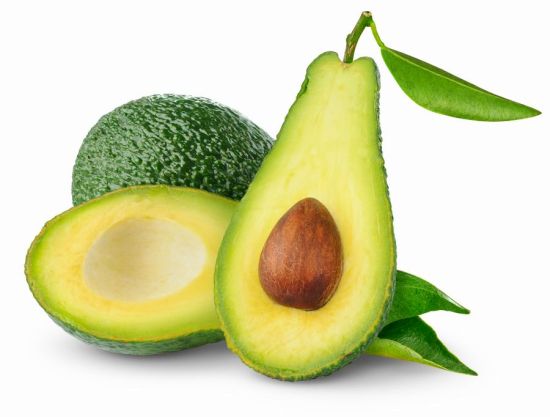
Avocado

Low blood sugar: A decrease in the potassium level causes a drop in blood sugar. Decreases in blood sugar can cause sweating, headache, weakness, trembling and nervousness. An intake of potassium chloride and sodium provides immediate relief from such situations. This is also why diabetic patients are encouraged to keep their potassium levels normal, to reduce the chances of unpredictable spikes and plunges in their glucose and insulin levels by stabilizing the blood sugar levels throughout the body.
Muscle disorders: Potassium plays an important role in regular muscle contraction. A sufficient concentration of potassium is required for the regular contraction and relaxation muscles. Most of the potassium ions in the human body are located in the muscle cells. It maintains optimal muscle and nerve function, and helps to keep our reflexes fast because it stimulates the neural connectivity of muscles and the brain!
Cramps: Muscle cramps are a common result of low levels of potassium in the blood, a condition called hypokalemia. If you consume a banana every day, you can easily prevent muscle cramps because bananas have a rich potassium content, not to mention all of the other benefits of bananas!
Bone Health: The benefits of potassium even extend to improving the health of your bones. There are certain qualities of potassium which neutralize various acids throughout the body which retain and preserve calcium, making it inaccessible to use for bone strength and durability. Furthermore, a study at the Linus Pauling Institute Micronutrient Information Center claims that eating fruits and vegetables that have high levels of potassium results in higher mineral density in bones, further strengthening and prolonging the life of your bones!
Brain function: Potassium channels play a key role in maintaining the electrical conductivity of the brain and dramatically affect brain funtion. It is also involved in higher brain function like memory and learning. In addition to this, serious ailments like epilepsy are related to the dysfunction of potassium channels that can occur through potassium deficiency.  There are actually potassium currents that play a major role in mammalian neurones. These channels are interconnected with a vast array of neural function and can help moderate and regulate electrical currents throughout the body!
Blood Pressure: Potassium is helpful in reversing the role of sodium in unbalancing normal blood pressure. Thus, it acts as a vital component that maintains the normality of blood pressure in the human body. This further reduces the risk of heart diseases and hypertension. Regulation of blood pressure is one of the most important functions of this powerful mineral. As mentioned earlier, potassium has vasodilating properties that work to relieve the tension of blood vessels, which is one of the main causes of high blood pressure.
Muscular Strength:  One of the most useful benefits of potassium is its role in ensuring the proper growth of muscle tissues and the proper utilization of energy released during metabolism, which adds significantly to muscular strength. The muscles, including those all-important cardiac muscles, are prone to paralysis due to a deficiency of potassium in a person’s diet.
Stimulating cell growth and providing the metabolic energy to do so is a vital function of potassium, and muscular health would be compromised without it. Also, without the contractions and relaxations that potassium allows muscles to perform, exercise and additional muscle training would be impossible!
potassium
Metabolism: Potassium assists in the metabolic processing of various nutrients like fats and carbohydrates. Thus, potassium is of great value in extracting the energy from nutrients that are consumed. Studies have shown that potassium is also integral in the synthesis of proteins, which have an impact of tissue regeneration, cell growth, and an overall balanced metabolism.
Anxiety and Stress:Potassium is of great importance for people suffering from undesirable mental states like anxiety and stress. It is considered as a powerful stress buster and therefore ensures the efficient mental performance of the human body. Anxiety and stress are so detrimental to other parts of health that any bonus from things like potassium are considered a very good idea if you suffer from chronic stress. Potassium can help regulate various hormones in your body, including stress hormones like cortisol and adrenaline, excess amounts of which can be quite detrimental to a wide array of the body’s systems.
Heart and Kidney Disorders: The health benefits of potassium ensure good health for the heart as well as the kydneys. It plays an irreplaceable role in regulating the functions of the metabolism and keeping the heart and kidneys running smoothly. Additionally, this mineral assists kidneys in removing waste through the process of excretion. However, it is strongly advised to consult your doctor to get recommendations about potassium dosage, because potassium can help stimulate the body to absorb more calcium than necessary, which can actually calcify and cause kidney problems, rather than solve them.
Water Balance: Another significant role that potassium plays is in the maintenance of an optimal fluid balance in the human body. Different types of cells require a proper water balance for efficient functioning and potassium aids these cells in regulating the balance. Fluid balance keeps all of our organ systems functioning in one way or the other, which is why many people recommend eating bananas after athletic events, or after a heavy night of drinking, in order to rehydrate and optimize fluid balance.
Electrolytes: Potassium is also a great electrolyte in the human body. It helps in regulating the level of fluids in the body and thus aids in a number of critical body functions. Furthermore, electrolytes help to transmit electrical charges throughout the body from the brain and nervous system, so extra electrolytes keep everything functioning faster and more efficiently in the body!
Nervous System: In connection to the previous point about electrolytes, potassium helps to boost the efficiency of nerve reflexes that transmit message from one body part to another. This in turn helps in muscle contraction to perform various activities every day without tiring quickly, which are further benefited by potassium, which is required to induce muscle contraction and function.
A Few Words of Caution: It is definitely possible to have too much of a good thing. Excess potassium in the body, for example, from patients with kidney issues that cannot properly process potassium, may have dangerously high levels. This can lead to heart disease, muscle paralysis, trouble breathing, tingling in the hands and feet, heart arrhythmia, and nausea. Potassium can be a miraculous addition to certain diets, but always be careful that you don’t overdo, and if you choose to take potassium supplements on top of a change to your diet, consult your doctor first!

Autism: 'how diet cured my son'

Waterproof Patio Furniture Covers for more information... by ROSALIND RYAN, femail.co.uk Long car journeys with young children - ful...