Showing posts with label Asthma. Show all posts

Friday, June 27, 2014

Health Benefits of Cumin

The health benefits of cumin include its ability to aid in digestion, improve immunity and treat piles, insomnia, respiratory disorders, asthma, bronchitis, common cold, lactation, anemia, skin disorders, boils and cancer.
Many of you might remember having hated those curries and soups which had roasted or fried cumin seeds in them when you were kids, because they looked like small black insects. However, you probably liked the taste. So your mother might have removed these flavorful parts before she served you the food. That was cumin!
Cumin, scientifically known as Cuminun Cyminum belongs to family Apiaceae and is extensively used in culinary practices of the Indian Subcontinent and some other Asian, African and Latin American countries as a condiment or spice. Those who are of the opinion that spices are bad for one’s health should note that cumin can be beneficial for some of the most dangerous diseases, and is generally consider a boost for overall health. Let’s explore just how it benefits your health in the section below.

Health Benefits of Cumin

The health benefits of cumin include the following:
Digestion: Cumin is extremely good for digestion and related problems.  The very aroma of cumin, which comes from an aromatic organic compound called Cuminaldehyde, the main component of its essential oil, activates our salivary glands in our mouth, which facilitates the primary digestion of food. Next is thymol, a compound present in cumin, which stimulates the glands that secrete acids, bile and enzymes responsible for complete digestion of the food in the stomach and the intestines. Cumin is also Carminative, which means that it relieves from you from gas troubles and thereby improves digestion and appetite. Due to its essential oils, magnesium and sodium content, cumin promotes digestion and also gives relief for stomach-aches when taken with hot water.
Piles: The main cause behind piles (hemorrhoids) is constipation added with infections in the wound in the anal tract, which are also caused by constipation. Cumin, because of its dietary fiber content and carminative, stimulating, antifungal and antimicrobial properties, acts as a natural laxative in powdered form. These characteristics are due to the presence of essential oils comprised mainly of Cuminaldehyde and certain pyrazines. Adding cumin to your diet also helps in healing up of infections or wounds in the digestive and excretory system and speeds up digestion as well. That pretty much means that cumin clears up all of the symptoms and causes of hemorrhoids, so keep that it mind when you start itching!
Diabetes: Although research is still ongoing, early studies report that cumin, among a number of other spices, can have a powerful effect in preventing diabetes by reducing the chances of hypoglycemia. The animals that were tested showed a sharp decline in hypoglycemia when fed cumin seeds in their diet, and they also showed a decrease in glucosuria, which is a condition where the urine contains too much glucose, also resulting in hypoglycemia and diabetes. Human testing is ongoing, but early reports show that cumin can be a very powerful tool in the battle against diabetes!
Insomnia: This is a very peculiar property of cumin. It is a stimulant as well as a relaxant at the same time. This property cannot be attributed to a single component alone, just as causes of insomnia cannot be attributed to a single cause. However, studies show that the proper intake of vitamins (particularly B-complex) and good digestion help to induce a sound sleep. Cumin helps in both of these factors. Some of the components of cumin essential oil are hypnotic in nature and have tranquilizing effects, which also help to relieve stress and anxiety that commonly causes insomnia.
Respiratory Disorders, Asthma, Bronchitis: The presence of caffeine (the stimulating agent), and the richly aromatic essential oils (the disinfectants) make cumin an ideal anticongestive combination for those suffering from respiratory disorders such as asthma and bronchitis. It acts as expectorant, meaning that it loosens up the accumulated phlegm and mucus in the respiratory tracts and makes it easier to eliminate them from the system via sneezing or coughing up and spitting. By eliminating as much of the mucus and phlegm as possible, it can inhibit the formation of additional material and help to heal the initial condition that led to its formation in the first place.
Common Cold: The common cold is a viral infection which affects our body frequently when our immune system becomes weakened or vulnerable. Again, the essential oils present in cumin act as disinfectants and help fight viral infections which can cause the common cold. Cumin also suppresses the development of coughing in the respiratory system since it dries up the excess mucus. Cumin is rich in iron and has considerable amount of vitamin-C, which are essential for a healthy immune system and keeps infections from forming or becoming worse. Vitamin-C is also a natural antioxidant, so it defends against other infections and toxins as well, further boosting the immune system.
Lactation: Cumin is rich in iron and thus very good for lacting mothres as well as for women who are undergoing menses or who are pregnant, since they are more in need of iron than others. Moreover, cumin is said to help ease and increase secretion of milk in lactating women due to the presence of thymol, which tends to increase secretions from our glands, including milk, which is a secretion from the mammary glands. Also, cumin is more beneficial if taken with honey. Cumin has remarkable amount of calcium (more than 900 mg per 100 grams) which accounts for over 90% of our daily requirement of calcium. This calcium is an important constituent of milk and hence cumin is very good for lactating mothers.
Cumin seeds
Anemia: As stated above, cumin is very rich in iron(more than 66 mg. in every 100 grams) which is more than 5 times the daily requirement of iron for an adult. This iron is the main constituent of hemoglobin in the red blood corpuscles of blood. It is hemoglobin which transfers oxygen (as the oxide of iron) to the body’s cells and whose deficiency causes anemia. So, cumin can be a nutritious additive to daily diet for anemic people and avoid the symptoms of anemia like fatigue, anxiety, cognitive malfunction, and digestive issues.
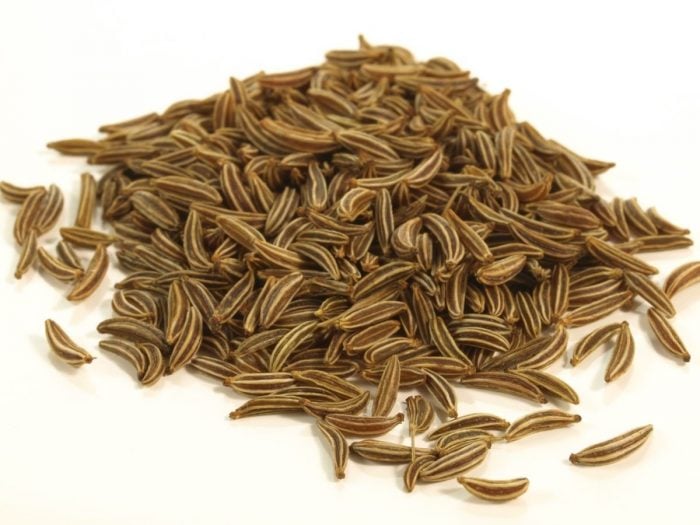
Concentration and Cognitive Malfunction: The amount of iron in cumin leads to increased hemoglobin production and subsequent prevention of anemia, but that increased blood flow has other benefits as well. When your blood circulation is in top form, adequate amounts of oxygen are able to reach the organs and the brain, leading to optimal performance of those bodily systems. Proper amounts of oxygen and iron in the brain lead to increased cognitive performance and a decrease in cognitive disorders like Alzheimer’s disease and dementia. For other organs, increased oxygenation increases efficiency and speeds up the metabolism, which can boost your overall health, increase strength, and prevent signs of aging.
Skin Disorders: Almost everyone knows that vitamin-E is good for the maintenance of skin and the prevention of premature aging symptoms. It keeps the skin young and glowing. This vitamin is also present in abundance in cumin. The essential oils present in cumin have disinfectant and antifungal properties. This prevents any microbial and fungal infection from affecting the skin. Not all skin issues are disorders or infections, some of them are simply signs of aging. Vitamin E acts as an antioxidant in this regard and combats the free radicals that attack the skin and result in signs of premature aging like wrinkles, age spots, and sagging skin. This, combined with the antibacterial capacity of cumin, makes for healthy, beautiful skin that lasts far into your old age.
cuminbenefitsBoils: Boils are outlets for the removal of toxic substances and foreign matters such as microbes from the body. This means that they are symptoms which show that a high amount of toxic substances have accumulated in the body. In this way, cumin can help you a great deal. Those who regularly use cumin in food have a significant reduction in the occurance of boils, rashes, pimples, and other signs of excess toxin content. Components such as cuminaldehyde, thymol, and phosphorus are good detoxifying agents which help in the regular removal of toxins from the body. The healthy way of removing toxins is through the excretory system, not through boils.
Immunity: As discussed above, an abundance of iron, the presence of essential oils, vitamin-C, and vitamin-A in cumin boosts our immune system in a number of ways. Vitamin C is one of the most powerful antioxidants that we have in our body, and it also stimulates the function and activity of white blood cells. As an antioxidant, vitamin C fights the detrimental effects of free radicals, which are the dangerous byproducts of cellular metabolism. They are constantly being created in the body, and therefore, must be constantly eliminated. Antioxidants neutralize free radicals that lead to many diseases, including, but not limited to, cardiovascular diseases and cancer.
Cancer: Cumin itself has detoxifying and chemopreventive properties, and accelerates the secretion of detoxifying and anticarcinogenic enzymes from the glands, as it also does to other secretions. Furthermore, it has beneficial antioxidants like vitamin-C and vitamin-A within its chemical makeup, in addition to those essential oils. Besides having countless other benefits, the antioxidants have anticarcinogenic properties too, and those found in cumin are particularly good for colon cancer prevention.
Other benefits: Even more? Cumin is also beneficial in treating renal coli, weak memory, insect bites and painful stings. With all of these benefits, how could you say no? Add some cumin to your diet as soon as you can!

Monday, June 2, 2014

What are the benefits of ginger?

Ginger is an herb that is used as a spice and also for its therapeutic qualities. The underground stem (rhizome) can be used fresh, powdered, dried, or as an oil or juice. Ginger is part of the Zingiberaceae family, as are cardamom, turmeric and galangal.
This MNT Knowledge Center feature is part of a collection of articles on the health benefits of popular foods. It highlights the history of ginger, its therapeutic benefits, and some important precautions you should be aware of before taking the herb.
According to the National Library of Medicine, part of the NIH (National Institutes of Health), ginger is widely used throughout the world for treating loss of appetite, nausea and vomiting after surgery, nausea resulting from cancer treatment, fratulance, stomach upset, colic, morning sickness and motion sickness.
Some people find ginger helps them with the symptoms of upper respiratory tract infection ,bronchitis, cough, menstrual cramps, arthritis and muscle pain.
In some parts of the world, ginger juice is applied to the skin to treat burns.
Ginger is also used as a flavoring by the food and drinks industry, as a spice and flavoring in cooking, and for fragrance in soaps and cosmetics.
Ginger contains a chemical that is used as an ingredient in antacid, laxative and anti-gas medications.
According to Kew Gardens, England's horticultural royal center of excellence, ginger has a long history of usage in South Asia, both in fresh and dried form.

History of ginger


Ingwer 2 fcm
Fresh ginger rhizome (subterranean stem)


The University of Maryland Medical Centre  writes that ginger has been used in China for over 2,000 years to help digestion and treament of diarrhea , nausea and stomach upsets.
The Mahabharata (circa 4th century BC), one of the two major Sanskrit epics of ancient India, describes a stewed meat meal which includes ginger. Ginger has also been a key plant in Ayurvedic medicine, a system of traditional medicine native to the Indian subcontinent.
Approximately 2000 years ago, ginger was exported from India to the Roman empire, where it became valued for its therapeutic as well as culinary properties.
Ginger continued to be traded in Europe after the fall of the Roman empire, where its supply was controlled by Arab traders for hundreds of years. During medieval times it became a popular ingredient in sweets.
During the 13th and 14th centuries ginger and black pepper were commonly traded spices. By the sixteenth century one pound in weight of ginger in England would cost the equivalent of one sheep.

What are the therapeutic benefits of ginger?

Below are examples of some scientific studies on ginger and its current or potential uses in medical treatment.

Inflammation of the colon

A study carried out at the University of Michigan Medical School found that Ginger Root Supplement administered to volunteer participants reduced inflammation markers in the colon within a month.
The study was published in the journal Cancer Prevention Research.
Experts say that inflammation of the colon is a precursor to colon cancer. Co-researcher Suzanna M. Zick, N.D., M.P.H., explained that by reducing inflammation in the colon a person reduces their risk of developing colon cancer.
Zick said "We need to apply the same rigor to the sorts of questions about the effect of ginger root that we apply to other clinical trial research. Interest in this is only going to increase as people look for ways to prevent cancer that are nontoxic, and improve their quality of life in a cost-effective way."

Muscle pain caused by exercise

A study involving 74 volunteers carried out at the University of Georgia found that daily ginger supplementation reduced exercise-induced muscle pain by 25%..
Patrick O'Connor, a professor in the College of Education's department of kinesiology, and colleagues carried out two studies on the effects of 11 days of raw and heat-treated ginger supplementation on exercise-induced muscle pain.
The volunteers consumed the ginger supplements for 11 consecutive days. On the 8th day they performed 18 extensions of the elbow flexors with a heavy weight. The aim was to induce moderate muscle injury to the arm. Each participant's arm function, inflammation, and pain levels were assessed before exercise and three days afterwards.
The researchers noted that the pain-reducing effect was not enhanced by heat-treating the ginger.
The study was published in The Journal of Pain.

Nausea caused by chemotherapy 
Ginger supplements administered alongside anti-vomiting medications can reduce chemotherapy-induced nausea symptons by 40%, a PhaseII/III study carried out at the University of Rochester Medical Center found.

Lead researcher, Dr Julie Ryan, presented the study findings at the American Society of Clinical Oncology meeting in Orlando, Florida, in 2009.
Dr. Ryan explained that about 70% of cancer patients who receive chemotherapy experience nausea and vomiting. The vomiting is usually easy to control with effective medications. However, the nausea tends to linger.
Dr. Ryan said "By taking the ginger prior to chemotherapy treatment, the National Cancer Institute-funded study suggests its earlier absorption into the body may have anti-inflammatory properties."

Ovarian cancer

A study found that exposing ovarian cancer cells to a solution of ginger powder resulted in their death in every single test.
The cancer cells either died as a result of apoptosis (they committed suicide) or autophagy (they digested/attacked themselves).
The researchers, from the University of Michigan Comprehensive Cancer Center added that the ginger solution also prevented the cancer cells from building up resistance to cancer treatment.
The study findings were presented at the American Association for Cancer Research annual meeting in Washington D.C., 2006.

Asthma symptoms

A team at Columbia University carried out a study to determine what effects adding specific components of ginger to asthma medications might have on asthma symptoms.
Team leader, Elizabeth Townsend, PhD, explained "In our study, we demonstrated that purified components of ginger can work synergistically with β-agonists to relax ASM (airway smooth muscle)."
The scientists took ASM tissue samples and exposed them to acetylcholine, a compound that causes bronchoconstriction (narrowing of the airways).
They then mixed the β-agonist isoproterenol (asthma medication) with three different components of ginger:
  • 6-gingerol
  • 8-gingerol
  • 6-shogaol
Contracted ASM tissue samples were exposed to each of the three mixtures as well as isoproterenol on its own.
The team found that ASm tissues exposed to isoproterenol combined with the purified ginger components exhibited greater relaxation than those treated with just isoproterenol.
Ginger component 6-shogaol had the greatest impact in enhancing the effects of isoproterenol.
Dr. Townsend said "Taken together, these data show that ginger constituents 6-gingerol, 8-gingerol and 6-shogaol act synergistically with the β-agonist in relaxing ASM, indicating that these compounds may provide additional relief of asthma symptoms when used in combination with β-agonists. By understanding the mechanisms by which these ginger compounds affect the airway, we can explore the use of these therapeutics in alleviating asthma symptoms."
The study findings were presented at the American Thoracic Society International Conference 2013 in Philadelphia, Pennsylvania.

Liver damage caused by acetaminophen

Acetaminophen, known more commonly as "Tylenol" in the USA and "paracetamol" elsewhere, is a popular painkiller and antipyretic (reduces fever). However, acetaminophen is also associated with a higher risk of chemically-driven liver damage (hepatotoxicity), especially among patients with liver disorders.
Scientists at the National Research Centre in Egypt wanted to determine whether ginger pretreatment might reduce the incidence of acetaminophen-induced liver damage in rats.
The researchers wrote in the Journal of Dietary Supplements "Our results demonstrated that ginger can prevent hepatic injuries, alleviating oxidative stress in a manner comparable to that of vitamin E. Combination therapy of ginger and acetaminophen is recommended especially in cases with hepatic (liver) disorders or when high doses of acetaminophen are required."

High blood pressure (hypertension)

A study reported in the journal Pharmaceutical Biology found that cassumunar ginger extract was more effective than prazosin hydrochloride in reducing blood pressure in hypertensive laboratory rats.
The researchers, from Chiang Mai University in Thailand wrote "The cassumunar ginger extract exhibited the maximum decrease of mean arterial blood pressure at 39.83 ± 3.92%, which was 3.54-times that of prazosin hydrochloride."

Dysmenorrhea (painful menstruation)

Ginger can help reduce the symptoms of pain in primary dysmenorrhea (period pains), researchers from the Islamic Azad University in Iran reported in the Journal of Pakistan Medical Association.
Seventy female students were divided into two groups:
  • The ginger group - they took capsules containing ginger
  • The placebo group - participants took capsules containing placebo
The participants took their capsules for three days at the beginning of their menstruation cycles.
The researchers found that the 82.85% of the women taking the ginger capsules reported improvements in pain symptoms compared to 47.05% of those on placebo.

Migraines

A study performed at the VALI-e-ASR Hospital in Iran and published in the journal Phytotherapy Research found that ginger powder is as effective in treating common migraine symptoms as sumatriptan. Sumatriptan is a common medication for migraine treatment (Imitrex, Treximet, Imigran, Imigran).
The double-blind, randomized clinical trial involved 100 participants. They all suffered form acute migraine without aura. They were randomly selected to receive either sumatriptan or ginger powder.
The study authors concluded "Efficacy of ginger powder and sumatriptan were similar. Clinical adverse effects of ginger powder were less than sumatriptan. Patients' satisfaction and willingness to continue did not differ. The effectiveness of ginger powder in the treatment of common migraine attacks is statistically comparable to sumatriptan. Ginger also poses a better side effect profile than sumatriptan."

Precautions

According to the University of Maryland Center, the use of herbs can interact with other herbs or medications.
Therefore it's important to talk to your doctor before taking ginger.
You should not take ginger if you suffer from a bleeding disorder or take blood-thinning medications (such as warfarin or aspirin).
Side effects of consuming ginger are rare, but may include:
  • Diarrhea
  • Heartburn
  • Stomach upset
  • Mouth irritation
Written by Christian Nordqvist

Thursday, May 8, 2014

11 Super Health Benefits in Just One Celery Stalk

Apples walk away with most health accolades, and spinach leads the healthy veggie brigade. Compared to them, celery is somewhat unsung, but once you read its incredible–and nearly endless–list of health benefits, you will quickly join its growing list of lovers.
  • Celery is a great choice if you are watching your weight. One large stalk contains only 10 calories! So, add celery to your shopping list and enjoy it in your salads, soups and stir-fries.

  • Celery reduces inflammationIf you are suffering from joint pains, lung infections, asthma, or acne, eating more celery will bring much-needed relief.

  • It helps you calm down: Celery for stress-relief? Oh yes! The minerals in celery, especially magnesium, and the essential oil in it, soothe the nervous system. If you enjoy a celery-based snack in the evening, you will sleep better.

  • It regulates the body’s alkaline balance, thus protecting you from problems such as acidity.

  • Celery aids digestion: some say celery tastes like “crunchy water,” and that is the reason it is so good for your digestive system.  The high water content of celery, combined with the insoluble fiber in it, makes it a great tool for easy passage of stool. Note: because celery has diuretic and cleansing properties, those with diarrhea should avoid eating it.

  • It contains “good” salts. Yes, celery does contain sodium, but it is not the same thing as table salt. The salt in celery is organic, natural and essential for your health.

  • It cares for your eyes. One large stalk of celery can deliver up to 10 percent of your daily need for Vitamin A, a group of nutrients that protects the eyes and prevents age-related degeneration of vision.

  • Celery reduces “bad” cholesterol: There is a component in celery called butylphthalide. It gives the vegetable its flavor and scent. Guess what: this component also reduces bad cholesterol! A Chicago University research shows that just two stalks of celery a day can reduce bad cholesterol (LDL) by up to 7 points!

  • It lowers blood pressure: An active compound called phthalides in celery has been proven to boost circulatory health. Raw, whole celery reduces high blood pressure.

  • It can amp up your sex life: and this is not just hearsay. Dr. Alan R. Hirsch, Director of the Smeel and Taste Treatment and Research Foundation, says two pheromones in celery–androstenone and androstenol–boost your arousal levels. They are released when you chew on a celery stalk.

  • Celery can combat cancer: Two studies at the University of Illinois show that a powerful flavonoid in celery, called luteolin, inhibits the growth of cancer cells, especially in the pancreas. Another study suggests that the regular intake of celery could significantly delay the formation of breast cancer cells.

Useful Tips:
Choose celery with upright stalks that snap when bent. The leaves should be fresh and crisp.  When selecting celery, remember this rule of thumb:  The darker the color, the stronger the flavor.
Freshly chopped celery retains its nutrients much better than if you chop and store it even for a few hours.
Steamed celery not only retains its flavor, but also most of its nutrients–up to 99 percent of them, in fact!


Thursday, May 1, 2014

The Health Benefits of Mushroom Consumption


Mushrooms contain some of the most potent natural medicines on the planet. Of the 140,000 species of mushroom-forming fungi, science is familiar with only 10 percent, according to world-renown mycologist Paul Stamets, who has written six books on the topic.

About 100 species of mushrooms are being studied for their health-promoting benefits. Of those hundred, about a half dozen really stand out for their ability to deliver a tremendous boost to your immune system.
It's important to eat only organically grown mushrooms because they absorb and concentrate whatever they grow in — good OR bad. This is what gives mushrooms their potency. Mushrooms are known to concentrate heavy metals, as well as air and water pollutants, so healthy growing conditions is a critical factor.
While it may sound strange, we're actually more closely related to fungi than we are to any other kingdom, as we share the same pathogens, meaning bacteria and viruses.
As a defense against bacterial invasion, fungi have developed strong antibiotics, which also happen to be effective for us humans. Penicillin, streptomycin, and tetracycline all come from fungal extracts.

The Many Health Benefits of Mushrooms

The FASEB Journal recently published nine studies on mushrooms that were also presented at Experimental Biology 2013, which detailed a wide variety of health benefits, including:
  • Weight management: One study found that substituting red meat with white button mushrooms can help enhance weight loss. Obese participants with a mean age of just over 48 years ate approximately one cup of mushrooms per day in place of meat. The control group ate a standard diet without mushrooms.
  • At the end of the 12-month trial, the intervention group had lost an average of 3.6 percent of their starting weight, or about seven pounds. They also showed improvements in body composition, such as reduced waist circumference, and ability to maintain their weight loss, compared to the control group.
  • Improved nutrition: One dietary analysis found that mushroom consumption was associated with better diet quality and improved nutrition.
  • Increasing vitamin D levels through your diet: Consuming dried white button mushroom extract was found to be as effective as taking supplemental vitamin D2 or D3 for increasing Vitamin D levels (25-hydroxyvitamin D).
  • Improved immune system function: Long chain polysaccharides, particularly alpha and beta glucan molecules, are primarily responsible for the mushrooms' beneficial effect on your immune system. In one study, adding one or two servings of dried shiitake mushrooms was found to have a beneficial, modulating effect on immune system function. Another study done on mice found that white button mushrooms enhanced the adaptive immunity response to salmonella.

Parasitic Fungi Showing Promise for Immune Disorders and Cancer

Cordyceps, also called caterpillar fungus or Tochukasu, is a favorite of athletes because it increases ATP production, strength and endurance, and has anti-aging effects. 

This parasitic mushroom is unique because, in the wild, it grows out of an insect host instead of a plant host. It has long been used within both traditional Chinese and Tibetan medicine.

It has hypoglycemic and possible antidepressant effects, protects your liver and kidneys, increases blood flow, helps normalize your cholesterol levels, and has been used to treat Hepatitis B.
Cordyceps has antitumor properties as well. Scientists at The University of Nottingham have been studying cordycepin, one of the active medicinal compounds found in these fungi, and the one identified as a potential cancer drug. More recent studies suggest it also has potent anti-inflammatory characteristics that may be helpful for those suffering from:
  • Asthma
  • Rheumatoid arthritis
  • Renal failure
  • Stroke damage
A question that was begging for an answer was how cordycepin could produce so many different beneficial effects at the cellular level. Researcher Dr. Cornelia de Moor told Medical News Today:
"We have shown that cordycepin reduces the expression of inflammatory genes in airway smooth muscle cells by acting on the final step in the synthesis of their messenger RNAs (mRNAs) which carry the chemical blueprint for the synthesis of proteins. 

This process is called polyadenylation. Commonly used anti-inflammatory drugs either work much earlier in the activation of inflammatory genes, such as prednisone, or work on one of the final products of the inflammatory reaction (e.g. ibuprofen).
These findings indicate that cordycepin acts by a completely different mechanism than currently used anti-inflammatory drugs, making it a potential drug for patients in which these drugs don't work well. 

However, it is a surprise that cordycepin does not affect the synthesis of mRNAs from other genes, because nearly all mRNAs require polyadenylation."
According to Dr. de Moor's research, the mechanism responsible for cordycepin’s many varied effects may stem from its ability to alter the synthesis of many classes of rapidly induced genes that help counteract inflammatory genes, thereby slowing down otherwise rapid cellular responses to tissue damage. It may also help prevent over-activation of inflammatory responses.
“However, it also indicates that cordycepin could have adverse effects on normal wound healing and on the natural defenses against infectious diseases,” the featured article states.
“Dr. de Moor said: 'We are hoping to further investigate which genes are more dependent on polyadenylation than others and why this is the case, as well as test the effect of cordycepin on animal models of disease. Clinical testing of cordycepin is not in our immediate plans, as we think we first have to understand this drug in more detail before we can risk treating patients with it.'"

Foragers, Beware of Toxic Mushrooms

An November 2012 article in The Atlantic highlighted recent cases of lethal food poisonings related to eating wild mushrooms, and the need for caution when foraging food:
“Of the over 10,000 species of mushrooms, only about 50 to 100 are toxic. About 6,000 Americans each year end up eating them. Over half of those cases involve unsupervised small children. So if you're considering treating that special person in your life to a wild mushroom-based dish, take the following into consideration: Over 90 percent of deaths, including these most recent ones, are caused by amatoxins.”
As mentioned in the article, the North American Mycological Association offers critical information on a number of toxic mushrooms and the symptoms they cause, including those for amanitin (amatoxins), which is one of the most serious:
  • Stage 1: A latency period of 6 to 24 hours after ingestion, in which the toxins are actively destroying the victim's kidneys and liver, but the victim experiences no discomfort.
  • Stage 2: A period of about 24 hours characterized by violent vomiting, bloody diarrhea, and severe abdominal cramps.
  • Stage 3: A period of 24 hours during which the victim appears to recover (if hospitalized, the patient is sometimes released)
  • Stage 4: Relapse, during which kidney and liver failure often occurs, leading to death. Patients may also "bleed out" and die due to the destruction of clotting factors in the blood. There may be more than one relapse.
Warning: If you have any reason to suspect that someone has ingested an amanitin-containing mushroom, DON’T WAIT for symptoms to appear! There is no antidote for amanitin poisoning, and the best hope is to rush the person to the hospital where the toxins can be removed before being fully absorbed into the body.
It's also important to eat ONLY organically grown mushrooms because they absorb and concentrate whatever they grow in — good OR bad. This is what gives mushrooms their potency, for better or worse. Mushrooms are known to concentrate heavy metals, as well as air and water pollutants. One way to know what you’re getting is to grow your own. You can find a variety of DIY garden kits available online, which will eliminate any questions about what kind of mushroom you’re picking.

Improving Your Nutrition with Mushrooms

Two years ago, I interviewed Steve Farrar, who worked and studied mushrooms professionally for the last 30 years. The first 20 years he spent growing them and working primarily with gourmet chefs, but in the past decade, he's started applying his expertise of mushrooms to health purposes. According to Farrar, Americans consume about 900 million pounds of mushrooms a year, but 95 percent of that is just one species: the common button mushroom and its relatives, the Crimini and the Portabello mushrooms.
Granted, the button mushroom is an excellent low-calorie food, especially for diabetics. It contains a number of valuable nutrients, including protein, enzymes, B vitamins (especially niacin), and vitamin D2. However, there are many other types of mushrooms worthy of consideration if you want to improve your diet. I’ll review a few of my favorites below. Farrar's focus has been on growing various gourmet mushroom species, particularly the wood decaying mushroom species, which differ greatly from your average button mushroom in terms of biology, nutrition and medicinal value.
Mushrooms are excellent sources of antioxidants in general as they contain polyphenols and selenium, which are common in the plant world. But they also contain antioxidants that are unique to mushrooms. One such antioxidant is ergothioneine, which scientists are now beginning to recognize as a 'master antioxidant.' Interestingly, it's an amino acid that contains sulfur, and if you listened to my interview with Dr. Seneff on the highly underestimated importance of sulfur, you may recognize why this particular antioxidant may be of particular importance for human health, as many are severely deficient in sulfur.
A previous study in the journal Nature discusses the importance of ergothioneine, which is fairly exclusive to mushrooms, describing it as "an unusual sulfur-containing derivative of the amino acid, histidine," which appears to have a very specific role in protecting your DNA from oxidative damage. With that in mind, it becomes easy to see how mushrooms may be an important part of an optimal diet. If you don't like to eat them whole, you can also find them in supplement form, either as an extract or whole food supplement.

Examples of Mushrooms to Add to Your Diet

A few of my favorite health-enhancing mushroom species include:
  • Shiitake (Lentinula edodes): Shiitake is a popular culinary mushroom used in dishes around the world. It contains a number of health-stimulating agents, including lentinan, the polysaccharide for which it was named. Lentinan has been isolated and used to treat stomach and other cancers due to its antitumor properties, but has also been found to protect your liver, relieve other stomach ailments (hyperacidity, gallstones, ulcers), anemia, ascites, and pleural effusion.
  • One of the more remarkable scientific studies demonstrating shiitake's antitumor effect was a Japanese animal study,where mice suffering from sarcoma were given shiitake extract. Six of 10 mice had complete tumor regression, and with slightly higher concentrations, all ten mice showed complete tumor regression.
    Shiitake mushrooms also demonstrate antiviral (including HIV, hepatitis, and the "common cold"), antibacterial, and antifungal effects; blood sugar stabilization; reduced platelet aggregation; and reduced atherosclerosis. Shiitake also contains eritadenine, which has strong cholesterol-lowering properties.
  • Reishi (Ganoderma lucidum): Reishi is known as Lingzhi in China, or "spirit plant." It's also been called "Mushroom of Immortality" — a nickname that kind of says it all. Reishi has been used medicinally in Asia for thousands of years. One of its more useful compounds is ganoderic acid (a triterpenoid), which is being used to treat lung cancer, leukemia and other cancers. The list of Reishi's health benefits includes the following
    • Antibacterial, antiviral (Herpes, Epstein-Barr), antifungal (including Candida) properties
    • Anti-inflammatory, useful for reducing symptoms of rheumatoid arthritis
    • Immune system up-regulation
    • Normalization of blood cholesterol levels and blood pressure
    • Reduction of prostate-related urinary symptoms in men
  • Turkey Tail (Trametes versicolor): Turkey Tail is also known as Coriolis, or "cloud mushroom." Two polysaccharide complexes in Turkey Tail are getting a great deal of scientific attention, PSK (or "Kreskin") and PSP, making it the most extensively researched of all medicinal mushrooms with large scale clinical trials.
  • A seven-year, $2 million NIH-funded clinical study in 2011 found that Turkey Tail mycelium improves immune function when dosed daily to women with stage I–III breast cancer. Immune response was dose-dependent, with no adverse effects. PSP has been shown to significantly enhance immune status in 70 to 97 percent of cancer patients. Turkey tail is also being used to treat many different infections, including aspergillus niger, Candida albicans, E. coli, HIV, Herpes, and streptococcus pneumonia, and is hepatoprotective. It may also be useful for chronic fatigue.
  • Himematsutake (Agaricus blazei): Himematsutake, also called Royal Sun Agaricus, is a relative of the common button mushroom. Himematsutake was not cultivated in the East until fairly recently but is now a very popular natural medicine, used by almost a half million Japanese.
  • Himematsutake mushroom is attracting many scientists worldwide due to its remarkable anticancer properties related to six special polysaccharides. Like many other medicinal mushrooms, this fungus can also protect you from the damaging effects of radiation and chemotherapy. But its benefits don't stop there — Himematsutake may also help decrease insulin resistance in diabetics, normalize your cholesterol, improve your hair and skin, and even treat polio.

Usage and Dosage Recommendations for Mushroom Supplements

When it comes to mushroom supplements, there are two primary types:
  • Mushroom concentrates or extracts — Most of these are so-called hot water extracts, where either the mushroom mycelia — the fruit body — is boiled for extended periods of time to extract the long chain polysaccharides. The end product is a concentrated form of glyconutrients (complex sugars) thought to be responsible for many of the health benefits of the mushroom.
  • Whole food/raw mushrooms — Consuming the mushrooms raw or using a whole food mushroom (powdered pill) product is generally a better alternative if you're reasonably healthy and looking to maintain optimal health, as they help maintain ideal function of your various systems as opposed to imparting a direct effect. Most of the knowledge about mushrooms come from ancient Chinese medicine where mushrooms are regarded as tonics. Tonics are considered to have non-specific beneficial effects across several systems of your body that do not decline over time.
As mentioned earlier, if you choose to eat your mushrooms raw, make sure they are organically grown, as their flesh easily absorbs air and soil contaminants. Likewise, you'll want to make sure any product you buy is certified organic for the same reason. In addition to valuable nutrients, whole mushrooms also provide healthful dietary fiber that acts as prebiotic platforms for the growth of probiotic organisms in your gut, which is very important for digestive health. This is yet another reason to opt for a whole food mushroom product.

Adding Mushrooms Is a Simple Way to Boost Your Health Through Your Diet

With all the evidence supporting mushrooms as little powerhouses of potent nutrition, I highly recommend adding some to your diet. They’re an excellent addition to any salad and go great with all kinds of meat and fish. “Let food be thy medicine” is good advice indeed, and with mushrooms that is especially true, as they contain some of the most powerful natural medicines on the planet.
Just make sure they’re organically grown in order to avoid harmful contaminants that mushrooms absorb and concentrate from soil, air and water. Also, avoid picking mushrooms in the wild unless you are absolutely sure you know what you’re picking. There are a number of toxic mushrooms, and it’s easy to get them confused unless you have a lot of experience and know what to look for. Growing your own is an excellent option and a far safer alternative to picking wild mushrooms.

Autism: 'how diet cured my son'

Waterproof Patio Furniture Covers for more information... by ROSALIND RYAN, femail.co.uk Long car journeys with young children - ful...